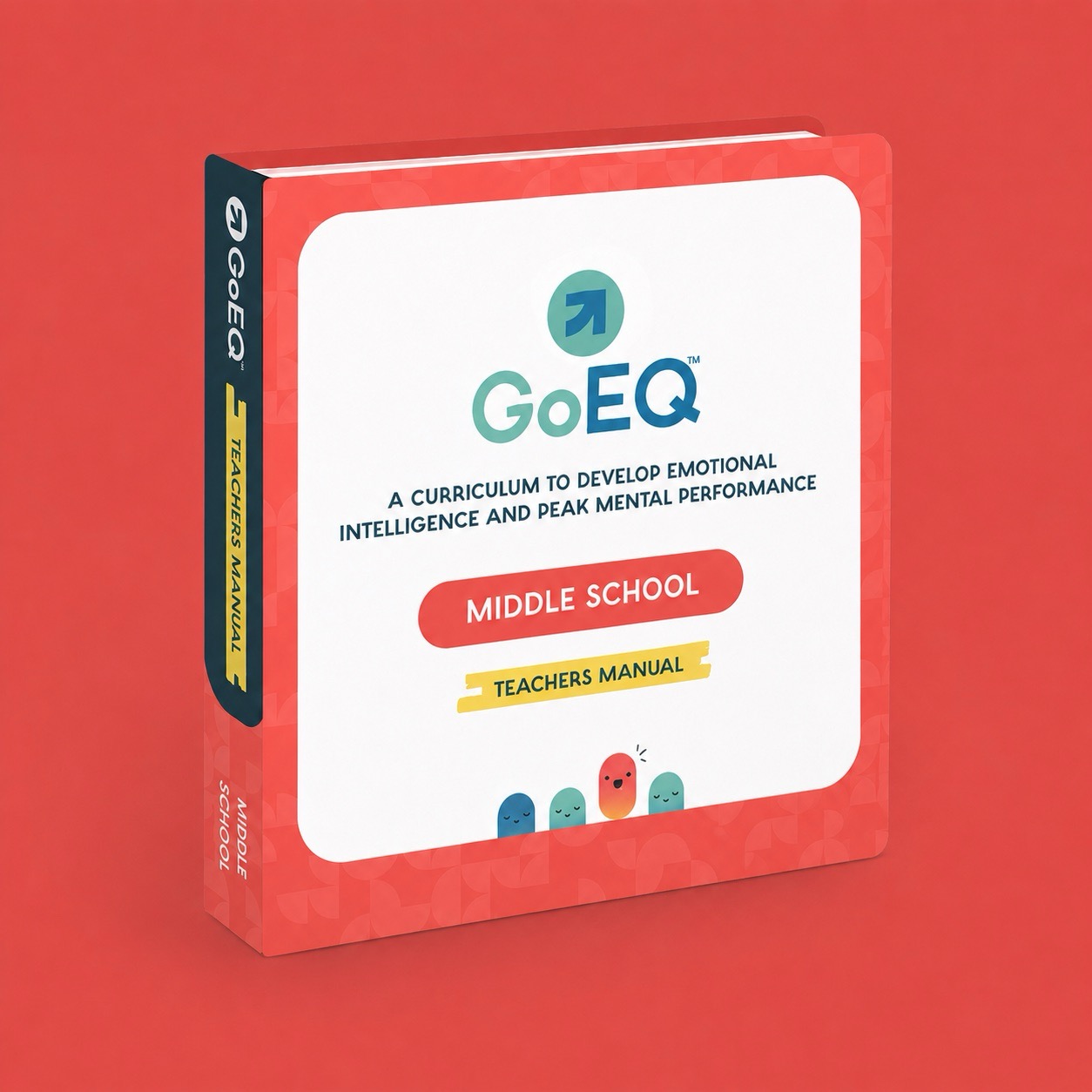
GoEQ® Curriculum

Middle School

Bible-Based
S.E.L. Curriculum for Christian Schools.
GoEQ® Assessment
Measure growth with pre- and post-assessments.
S.E.L. Solutions
12 weeks
of comprehensive curriculum.
Lesson Plans
45+
scripted multimedia lessons.

Overview

“A friend is one of the best things you can be and the greatest things you can have."
—Sarah Valdez

Knowing and understanding relationships is a key component of emotional intelligence examined at the Middle School level of the GoEQ® curriculum. Middle School is a particularly vulnerable time for students, with increased academic expectations and physical, mental, emotional, and social changes as students navigate the tricky process of growing up. The Middle School curriculum provides a holistic approach to caring for emotional health. Students learn tools to dispute cognitive distortions, manage stress, improve motivation, and process loss. Middle School can be tough, but the proper guidance and useful tools can make the journey a bit easier.

Key Features: 
  • 12 weeks of comprehensive curriculum
  • 50 lessons
  • Brain anatomy and connectivity
  • Understanding mental health and symptoms of mental illness
  • Brain-optimizing lifestyle habits
  • 5 core concepts of emotional intelligence
  • Healthy and unhealthy relationships
  • Disputing and revising 10 common cognitive distortions
  • Processing loss
  • Mental-health-optimizing character strengths
  • A biblical foundation for understanding self-worth
  • Scripture connections and memory verses aligned with each unit
  • Stories that improve retention of EQ principles
Unit 1
Exploring the Brain and Mental Health

• What is EQ? 
• How is brain anatomy connected to mental health?

At the Middle school level, Unit 1 goes deeper into the functions of each brain lobe, how the brain communicates, and what happens when those communications break down. This foundation leads into a section on mental health and factors that affect it.

Unit 2
Promoting Brain Health

• What lifestyle choices and habits promote brain health?

Unit 2 makes things practical for the students. Students study different lifestyle principles that promote whole body health and learn practical ways to incorporate these into their personal lives. Topics include marijuana, alcohol, smoking, screen time, and rest, and how they affect the brain and the body as a whole.

Unit 3
Understanding Emotional Intelligence

• How do my thoughts and feelings affect my mental health?

Unit 3 reviews the 5 components of emotional intelligence. Students are given tools to help build their emotional intelligence and to keep their thoughts healthy. Knowing that Middle School can be a stressful time for students, we include stress management techniques, motivation, self-control, and other relevant topics, as well as how to build and maintain healthy relationships.

Unit 4
Untangling Our Thoughts

• How do I dispute and revise distorted thoughts?

Unit 4 explores the 10 most common cognitive distortions and students practice identifying, disputing, and revising each type of distorted thinking. The unit wraps up with a discussion of how to process loss from a biblical perspective. Students learn how the healthy lifestyle habits they have learned can help them process grief and loss.

Curriculum Package Overview

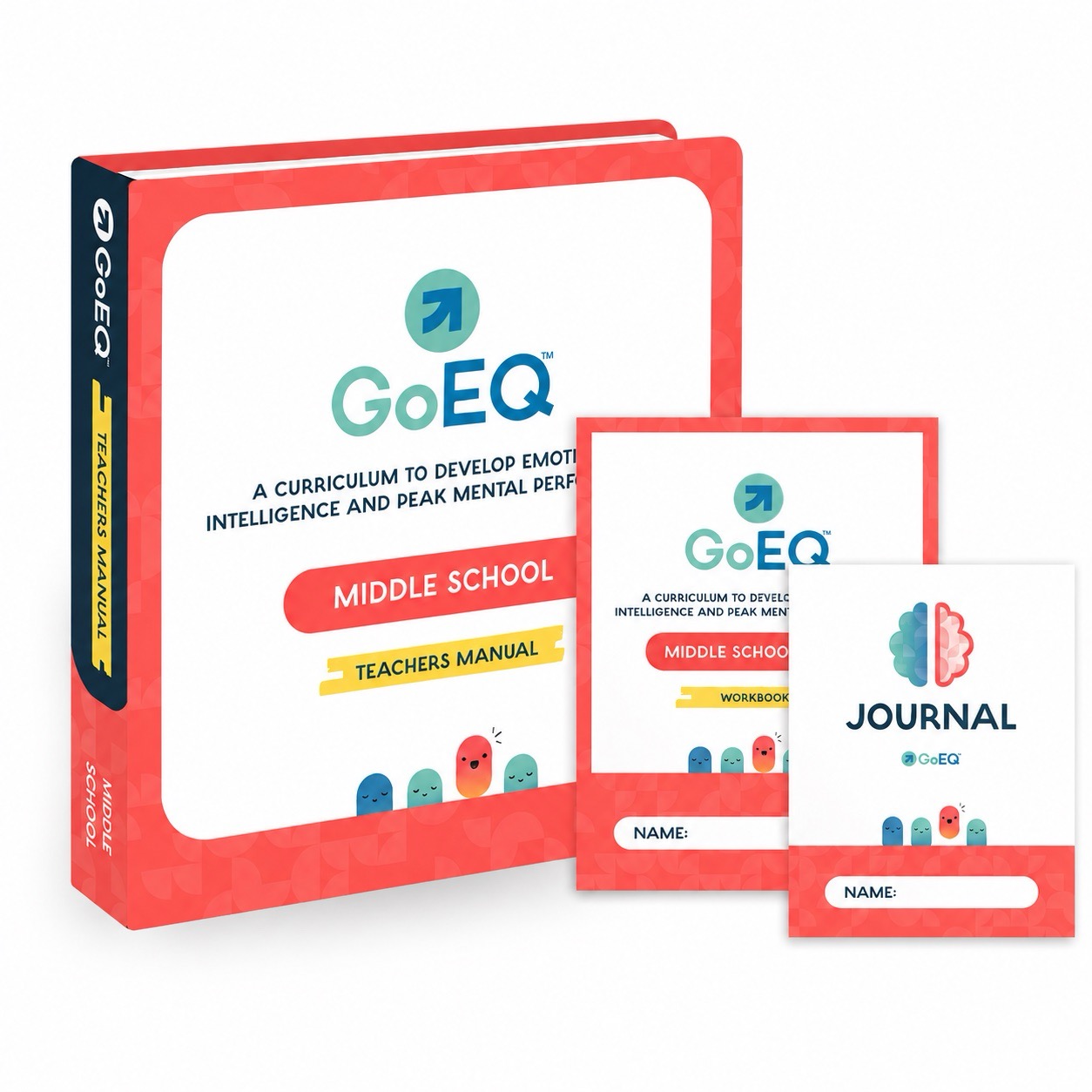
We provide the classroom with a comprehensive set of materials, curated to complement our curriculum. These resources are designed to streamline lesson planning and enrich classroom engagement, supporting you every step of the way.

  • Teacher’s Manual
  • PowerPoint Presentations
  • Worksheets (one pack per student)
  • EQ Journal (free with worksheet pack)
Get a sneak peek

Middle School
Sample Lesson

Curious? Download a free lesson.

Thank you

Your message has been submitted.
We will get back to you within 1-2 business days.
Oops! Something went wrong.

Bring emotional brilliance to your classroom